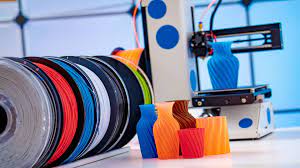
Welcome to the fascinating world of 3D printing! Whether you’re a DIY enthusiast, an aspiring inventor, or just someone curious about innovative technology, 3D printing has undoubtedly piqued your interest. And when it comes to turning your creative ideas into tangible reality, choosing the suitable filament is critical.
This comprehensive guide will delve into the realm of 3D printer filaments and help you navigate the myriad options available. From understanding the basics of 3D printing to exploring different types of filaments and their unique properties, we’ve got you covered. So grab your imagination, and let’s embark on this exciting journey together!
Understanding 3D Printing and Filaments
Before we dive headfirst into discussing various types of filaments, it’s essential to grasp the fundamentals of how 3D printing works. At its core, 3D printing is an additive manufacturing process that builds three-dimensional objects layer by layer using digital designs as blueprints.
Now that we understand how unique this technology is let’s move on to one crucial component: filaments. , a filament serves as the “ink” for your 3D printer. It’s essentially a thermoplastic material that gets heated up and extruded through a nozzle onto the print bed in precise patterns.
The Most Common Types of 3D Printer Filaments
When selecting which filament to use for your projects, there are several factors to consider, such as strength requirements, flexibility needs, temperature resistance capabilities, and aesthetics desired – to name a few! With so many options available in today’s market though (and new ones emerging regularly), it can be overwhelming trying to figure out what type would best suit each project — but fear not; below I’ll break down some popular choices:
Properties and Characteristics of Each Filament Type
Understanding 3D Printing and Filaments
Imagine a world where you can create virtually anything you desire with just the click of a button. That’s the magic of 3D printing. This revolutionary technology transforms your digital designs into tangible objects, layer by layer.
At its core, 3D printing is an additive manufacturing process that builds three-dimensional objects using specialized machines called 3D printers. These printers use filaments as their “ink,” essentially thermoplastic materials that get melted and extruded through a nozzle to form intricate patterns on the print bed.
The beauty of 3D printing lies in its versatility. Whether you want to prototype a new product, personalize everyday items, or unleash your artistic side with sculptural creations, this technology opens up endless possibilities.
Let’s talk about filaments – those essential building blocks for bringing your designs to life. Filaments come in various types, each offering unique properties and characteristics that cater to different needs and applications.
One popular filament choice is PLA (Polylactic Acid). Derived from renewable resources like cornstarch or sugarcane, PLA is eco-friendly and easy to work with. It has low warping tendencies and produces minimal odors when printed. Perfect for beginners or those looking for vibrant colors in their prints!
Another commonly used filament is ABS (Acrylonitrile Butadiene Styrene). Known for its strength and durability, ABS is ideal for functional prototypes or mechanical parts requiring impact resistance. It does emit some fumes during printing, though, so proper ventilation is essential.
If you’re after flexibility, consider TPU (Thermoplastic Polyurethane). This elastic material provides excellent shock absorption and flexibility while maintaining good layer adhesion. Great for creating phone cases or flexible hinges!
For heat-resistant applications such as car parts or kitchen utensils, PETG (Polyethylene Terephthalate Glycol) comes to the rescue!
The Most Common Types of 3D Printer Filaments
3D printing has endless possibilities, and choosing the suitable filament for your projects can make all the difference. Several types of filaments are available in the market today, each with unique properties and characteristics. Let’s take a closer look at some of the most common types.
One popular choice is PLA (Polylactic Acid), derived from renewable resources such as cornstarch or sugarcane. It’s known for its ease of use, low cost, and wide range of vibrant colors. PLA is great for beginners and hobbyists due to its low warping tendency.
ABS (Acrylonitrile Butadiene Styrene) filament offers excellent durability and impact resistance, making it ideal for functional prototypes or parts that require strength. However, ABS does emit fumes during printing, so proper ventilation is essential.
Another option to consider is PETG (Polyethylene Terephthalate Glycol), which combines the best qualities of both PLA and ABS filaments. It has high strength, flexibility, and good chemical resistance while being easy to print, like PLA.
For more specialized applications, you should explore materials like Nylon or TPU (Thermoplastic Polyurethane). Nylon filaments offer high tensile strength and heat resistance suitable for mechanical components or tools. TPU filaments provide exceptional elasticity and shock absorption properties perfect for creating flexible objects like phone cases or shoe soles.
These are just a few examples of today’s many 3D printer filaments. Each material brings something unique regarding functionality, appearance, and performance. When selecting a filament type for your project(s), consider factors such as desired end-use properties, printing capabilities required by your machine, and any specific environmental concerns associated with certain materials.
Properties and Characteristics of Each Filament Type
As we have explored the world of 3D printer filaments and delved into the properties and characteristics of each type, it is clear that choosing the perfect material for your projects can make all the difference. Whether you are looking for strength, flexibility, durability, or even vibrant colors, there is a filament out there to meet your needs.
PLA filament offers ease of use and biodegradability, making it a great option for beginners or environmentally conscious individuals. ABS filament provides excellent durability and impact resistance but requires careful ventilation due to its emissions during printing. PETG filament combines the best of both worlds with its strength and versatility while being more forgiving than other materials.
Nylon filament is an excellent choice for those seeking exceptional mechanical properties like heat or chemical resistance. Meanwhile, TPU filament offers elasticity and flexibility, which is ideal for creating functional prototypes or items requiring soft textures.
And let’s remember specialty filaments such as wood-filled or metal-filled options that add unique aesthetics to your prints. These filaments allow you to achieve stunning results by incorporating natural elements into your creations without compromising structural integrity.
When selecting a 3D printer filament, consider its physical properties and factors such as print settings compatibility and post-processing requirements. Each material has its own set of considerations that will influence the outcome of your project.
In conclusion, exploring the world of 3D printer filaments opens up endless possibilities for creativity and innovation in various industries. By understanding their different properties and characteristics, you can confidently choose the perfect material that aligns with your project goals.
So go ahead and experiment with different types of filaments! Embrace this exciting technology to bring your ideas to life in three dimensions. With some knowledge about these fascinating materials and some technical skills honed through practice – who knows what incredible things you’ll create next? Happy printing!
Machines, Consumables and Parts Available from https://buythis.co.za/
For more info on Advanced Machinery visit https://am.co.za/
Subscribe to AM.CO.ZA’s YouTube Channel: https://www.youtube.com/@AchievementMatters?sub_confirmation=1
Chat with us by sending “hi” on WhatsApp to 060 600 6000.