CNC Machine Training
Welcome to the future of manufacturing – where precision meets innovation and creativity meets efficiency. In this age of technological advancements, CNC machines have emerged as the backbone of modern manufacturing processes. These Computer Numerical Control (CNC) machines have revolutionized industries by automating production, reducing human error, and maximizing productivity.
But here’s the thing – even the most cutting-edge CNC machine is only as good as its operator. That’s where CNC machine training comes into play. By mastering the art of CNC machine training, you can unlock a world of possibilities in your career and unleash the full potential of these complex yet fascinating tools.
In this blog post, we’ll delve into everything you need to know about CNC machine training – from understanding its basics to exploring its vast applications in various industries. So fasten your seatbelts and prepare for an exciting journey through modern manufacturing! Let’s dive right in!
The Basics of CNC Machine Training:
To truly master the art of CNC machine training, one must start with a solid understanding of its essential components and functions. A CNC (Computer Numerical Control) machine is a computerized control system operating various tools and machinery through precise programming.
At its core, a CNC machine consists of three main components: the controller, the drive system, and the tooling. The controller acts as the brain of the operation, interpreting instructions from CAD/CAM software and translating them into specific movements for the machine to execute.
On the other hand, the drive system is responsible for converting electrical signals into mechanical motion. This includes motors, gears, belts, or other mechanisms that drive movement in different axes.
We have tooling – all the cutting tools or attachments a CNC machine uses to shape and manipulate materials such as metal or wood. Depending on the desired outcome and material being worked with, different types of tooling may be required.
Once these basics are understood, aspiring operators can delve deeper into learning about program creation and coding languages like G-code or M-code that dictate specific actions for each axis movement. Moreover, they can explore advanced topics like troubleshooting common issues or optimizing machining processes for efficiency.
By fully grasping these fundamentals, individuals can unlock their potential in modern manufacturing industries where precision automation holds great importance. Whether it’s producing intricate parts for aerospace engineering applications or crafting custom furniture designs, mastering CNC machining offers endless possibilities.
A. Understanding the Components and Functions of a CNC Machine
Mastering the art of CNC machine training is essential for unleashing the full potential of modern manufacturing. By understanding the components and functions of a CNC machine, operators can optimize their skills and produce high-quality products efficiently.
CNC machines have revolutionized the manufacturing industry by automating processes that were once labor-intensive and time-consuming. With precise control over cutting tools, these machines offer unmatched accuracy, consistency, and speed. From the automotive to aerospace industries, CNC machines are used in various sectors to create complex parts with intricate details.
To become proficient in operating a CNC machine, it is crucial to understand its components and functions. Here are some key aspects every trainee should focus on:
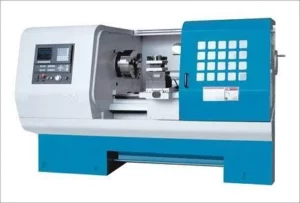
1. Control Panel: The control panel is where operators interact with the machine through an interface or software program. The input commands include toolpath instructions, cutting parameters, and coordinated system settings.
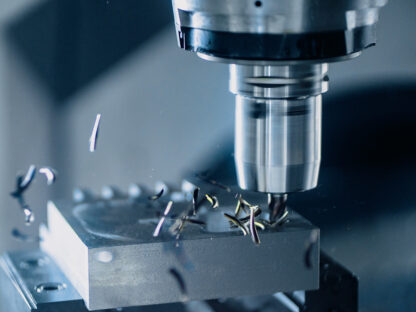
2. Spindle: The spindle holds the cutting tool securely while rotating at high speeds to perform operations like drilling or milling. Selecting the appropriate speed based on material type and desired precision is essential.
3. Axis System: A typical CNC machine has three primary axes – X (horizontal movement), Y (vertical movement), and Z (depth or axial movement). Understanding how each axis operates independently or simultaneously is critical for achieving accurate results.
4. Tool Changer: Some advanced CNC machines feature an automatic tool changer that allows quick tool changes during operations without manual intervention. Familiarizing oneself with this mechanism ensures efficient production workflow.
5. Feedrate Control: Feed rate refers to how fast a cutting tool moves relative to the work piece during machining operations. Operators need to adjust feed rates based on material hardness, tool size, complexity of design features, etc., ensuring optimal performance without causing damage.
6. Workholding Devices: These devices secure work pieces firmly in place during machining processes.
Machines, Consumables and Parts Available from https://buythis.co.za/
For more info on Advanced Machinery visit https://am.co.za/
Subscribe to AM.CO.ZA’s YouTube Channel: https://www.youtube.com/@AchievementMatters?sub_confirmation=1
Chat with us by sending “hi” on WhatsApp to 060 600 6000.