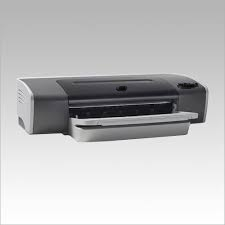
With the advent of digital printing, wide-format printers have become a more and more popular choice for businesses of all sizes. What are they, and why should you consider using one? In this blog post, we will explore what wide-format printers are, their benefits, and what you need to know to decide if one is right for your business. We will also provide a few tips on how to get started with using one.
What is a Wide-Format Printer?
Wide-format printers are used to print large documents, such as posters or billboards. They typically have a larger page size than standard printers and can print at a faster speed. Wide-format printers are also known as poster printers, billboard printers, or large format printers.
To use a wide-format printer, you’ll need a computer with the appropriate drivers and software. You’ll also need the printer itself, which will usually come with an installation booklet. Once you’ve got everything set up, you can start printing your large documents.
To print in wide format, simply adjust the page settings on your computer. Most computers will have a “paper size” option that allows you to choose from a variety of paper sizes. Make sure that the “wide” setting is selected, and then enter the dimensions of your document in inches (or millimeters).
Once your document is formatted correctly, click “start printing.” Your printer will work quickly to produce your wide-format masterpiece!
Types of Wide-Format Printers
Wide-format printers are a versatile printing technology that are used for printing large sheets of paper. These printers can print on both sides of the sheet and have a variety of capabilities, including high-resolution printing, colour printing, and duplexing.
There are three types of wide-format printers: those that use thermal inkjet technology, those that use an inkjet cartridge system, and those that use a digital lithography process.
How Wide-Format Printers Work
Wide-format printers use large printheads that can produce prints up to 48 inches wide by 36 inches high. These printers are often used for printing large volumes of documents, including brochures and flyers.
To print a wide-format document, you first need to upload the file to your printer. Your printer’s software will then determine the correct settings for the printhead. You will then be able to choose between landscape or portrait orientation, as well as size options.
Advantages of Using Wide-Format Printers
There are many reasons why you might want to consider using a wide-format printer. Some of the benefits include:
-They’re versatile – Wide-format printers can print documents in a variety of sizes, making them well-suited for printing large reports or photos.
-They’re fast – Wide-format printers are capable of printing quickly and easily, making them perfect for busy businesses.
-They’re affordable – Wide-format printers are typically less expensive than standard printers, making them a great investment for small businesses.
Disadvantages of Using Wide-Format Printers
Wide-format printers are a great choice for businesses that need to print large quantities of documents quickly. However, they have several disadvantages that should be considered before making the purchase.
First, wide-format printers can be more expensive than standard printers. Second, they require more space on your desk or office printer rack. Third, wide-format printing requires a special setup, which may not be possible in some offices. Finally, wide-format documents may not look as good as those printed on a standard printer.
Conclusion
There are a lot of options when it comes to wide-format printers, and it can be hard to know what you need to make the right decision. In this article, we have outlined the key features to look for in a wide-format printer and shared some tips on how to choose the right one for your business. Hopefully, this will help you narrow down your choices and find the perfect printer for your needs. Thanks for reading!
Related Posts

DTF Printer For Sale: The Best Deals On Printers Available
29 June 2023Do you have a printing need that you just can’t handle? Do you need to print a lot of documents,…
The Top 5 Sublimation Printers You Need To Know About
26 May 2023Sublimation is a process that allows you to create products out of a variety of materials using heat and pressure.…