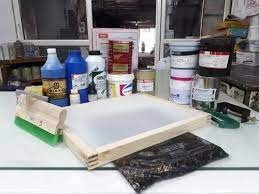
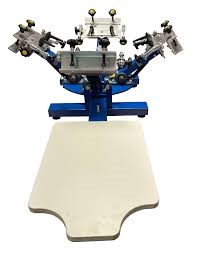
Printing on fabric is a fantastic way to add some personality and pizzazz to your clothing. But, like anything else, printing requires the right tools in order to create a professional-looking product. In this blog post, we will explore the 10 screenprinting supplies you’ll need to get started. From paper to inks to printing plates, these are the essential supplies you’ll need in order to get started screenprinting.
What is Screenprinting?
Screenprinting is a type of printmaking that uses the image of a design or photograph as the basis for a print. The process begins by transferring the image to a mesh fabric, usually cotton gauze, which is then used as the printing surface. Images are transferred to the fabric by pressing them with hot plates and later transferred to paper using an etching or lithography press.
What is the Difference between Screenprinting and Tattooing?
Screenprinting and tattooing work in very different ways, so it’s important to understand the differences before deciding which one is right for you.
In screenprinting, ink is applied to a surface, like a T-shirt or fabric. The ink is then transferred to paper or other material using pressure and heat. This process creates an image that can be printed on T-shirts, hats, totes, and more.
Tattooing works in a similar way but with needles instead of ink. Tattoos are created by inserting thin needles into the skin several times and filling them with ink. The tattoo artist then uses pressure and a heated roller to create the design on your skin.
What are the Different Types of Ink Used in Screenprinting?
Ink is one of the most important ingredients in screenprinting. There are a variety of ink types used in printing, each with its own set of pros and cons. Here are the different types of ink used in screenprinting:
Pigment Inks
Pigment inks are the most common type of ink used in screenprinting. They contain small particles that absorb light and turn into colour when deposited on paper. Pigment ink is also the cheapest type of ink, but it can be difficult to control the intensity and colour of your prints.
Water-Based Inks
Water-based inks are made from water, pigment, and a solvent. They’re less expensive than pigment inks, but they don’t hold colour as well as pigment inks do. They’re also easier to clean up because they evaporate more quickly.
Oil-Based Inks
Oil-based inks are made from oil, pigment, and a solvent. They hold their colour better than water-based inks do, but they can be more difficult to clean up because they tend to build up on printing surfaces over time.
The Advantages of Screenprinting Over Other Art Forms
Screenprinting is a great way to create custom artwork, and there are many advantages to using this process over other art forms.
One big advantage of screenprinting is the ability to create high-quality prints quickly and easily. With other art forms, it can take quite a bit of time and effort to produce a similar level of detail and quality.
Another big advantage of screenprinting is the potential for unique and customized prints. With other art forms, you may be limited in what you can print or how you can print it. With screenprinting, you can create prints that are completely unique.
Finally, screenprinting lends itself well to storytelling and conveying a message or messageboard through its medium. Other art forms may not be as effective in doing this because they don’t allow for as much detail or customization.
What Equipment Do I Need to Start Screenprinting?
In order to screenprint, you’ll need some basic supplies. These include a screen, transfer paper, inkjet printer and an fabric or vinyl. You can also use a digital printer if you have access to one.
If you’re working with fabric or vinyl, you’ll need a sewing machine with zigzag and/or embroidery stitches. You can also use a serger if you have one. If you’re using fabric, be sure to buy enough for your entire project – usually about 20-30 yards per sheet.
To print on fabric or vinyl, start by printing the template onto transfer paper. Be sure to cut out the desired pieces before transferring them to the fabric or vinyl. Then trace around the template with a pencil onto the fabric or vinyl. Finally, use a spray bottle filled with water to dampen the edges of the traced area and press firmly against the garment with your hand. The design should now be transferred onto the garment!
How Much Does it Cost to Get Started Screenprinting?
If you’re interested in learning how to screenprint, the first thing you’ll need is some supplies. Here’s a list of what you’ll need to get started:
-Scissors
-Screen printed material (preferably A4 or larger)
-Paint or inkjet printer
-Tape measure
-Craft knife
-Printer paper (110 lb. or higher)
-Iron and hot glue gun
Conclusion
Screenprinting is one of the oldest and most popular forms of art. It can be used to create unique and personalized items for your home or office, and with the right supplies, it’s a relatively easy process to get started. In this article, we provide a list of the top 10 screenprinting supplies you’ll need to get started. Be sure to check them out before you start printing!
Related Posts

The Best Screenprinting Kits Available On The Market Today
23 August 2023Printing on demand is growing in popularity every day, and there are a variety of reasons for this. One of…
The Absolute Best Screenprinting Starter Kit On The Market
24 August 2023Screenprinting is a process that can be used to create unique and one-of-a-kind products. It’s perfect for those who want…