Sublimation printing is one of the most exciting and versatile technologies available for businesses today. It allows you to create high-quality products with a minimum of resources, making it an ideal solution for small businesses and entrepreneurs. In this blog post, we will provide you with a step-by-step guide on how to get the perfect results with your sublimation heat press. We will cover everything from setting up your machine to getting the best prints every time. So don’t wait any longer – start using your sublimation heat press today!
What is Sublimation Heat Pressing?
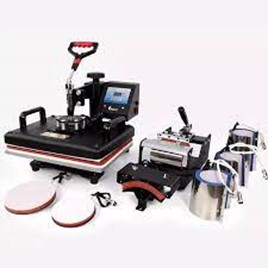
Sublimation heat pressing is a great way to create customized apparel and accessories with your own designs. Sublimation heat pressing is also a great way to create promotional items for businesses or events. You can use sublimation heat pressing to create t-shirts, sweatshirts, hats, mugs, and more.
To get the best results with your sublimation heat press, you’ll need to follow some guidelines. First, make sure that your equipment is properly calibrated. Second, make sure that the garment being pressed is clean and free of any debris. Third, ensure that the temperature of the press is set correctly. Fourth, be patient – it may take some trial and error to get the perfect result with your sublimation heat press.
How does Sublimation Heat Pressing work?
Sublimation heat pressing is a great way to create high-quality prints without having to use expensive equipment. Sublimation heat pressing works by using a heat press that presses the fabric against a layer of substrate, which vaporizes the polymer beneath the fabric and turns it into a liquid.
The substrate can be anything that will hold the fabric in place while it heats up. Most people use sheets of paper, but you can also use cloths, plastic sheets, or even metal plates. The key is to find something that will stay still while the heat press presses against it.
To start, set your printer up on its edge so that the printing surface is facing down. Place your textile material on top of the printing surface and make sure that it’s completely flat and positioned correctly so that there are no wrinkles or folds in the fabric. Next, attach your substrate to the printer using either adhesive or screws.
Now it’s time to start heating up your heat press. If you’re using a sheet of paper, simply place it on top of your garment material and set the temperature dial to whatever temperature you want to print at. If you’re using something else as your substrate, you’ll need to figure out how much heat is needed to melt the plastic or metal underneath the fabric.
Once you have determined how much heat is needed, turn on your heat press and wait for it to reach operating temperature.
What are the benefits of using a Sublimation Heat Press?
When it comes to printing, there is no better way to get consistent and accurate results than with a sublimation heat press. Here are some of the benefits:
1. Sublimation Heat Presses are Precise: Unlike other printing methods, a sublimation heat press is able to produce extremely precise prints. This is because the heat used to print the fabric retains its shape and does not distort the image like other methods can.
2. Sublimation Heat Presses are Fast and Convenient: Printing on a sublimation heat press is fast and easy because all you need is a printer and your fabric of choice. You don’t need any expensive equipment or supplies, so you can get started right away!
3. Sublimation Heat Presses Are Economical: A sublimation heat press is also incredibly economical, which means you will be able to print more items in less time than with other printing methods. Not to mention, the prints will be of high quality thanks to the precision of the heat press.
How can you tell if a Sublimation Heat Press is the right machine for you?
When you are looking to buy a sublimation heat press, the first thing you need to decide is what type of fabric you want to sublimate. There are three types of fabrics that can be sublimated: vinyl, polyester, and cotton.
A vinyl heat press is best for using vinyls because it is the most durable type of fabric and it doesn’t require a lot of heat to set the ink. A polyester heat press is best for using polyesters because it doesn’t wrinkle as much as vinyls do and it sets the ink more easily. Cotton does not handle heat well and will often melt or wrinkle when sublimated.
Another thing to consider when purchasing a sublimation heat press is the size. Most machines come in two sizes: small (for items like t-shirts) and large (for items like quilts). The size you choose depends on the item you are going to sublimate. If you are only going to use your machine occasionally, then the small size might be enough. But if you plan on using your machine often, then the large size would be better because it provides more space on the bed for printing.
Setting up your Sublimation Heat Press
When it comes to sublimation heat presses, there are a few key things to keep in mind if you want the best results. First and foremost, make sure that your press is properly calibrated. This means checking the temperature settings and making any necessary adjustments. Second, be sure to use high-quality sublimation material. Third, be patient – it will take some time for the press to heat up and produce proper results. Finally, always use caution when using a heat press – even if it’s been properly set up and calibrated.
Preparing your garments for Sublimation Heat Pressing
garments can be successfully sublimated using a heat press, but there are some preparations that need to be made in order to achieve the best results. One key factor is the type of garment being sublimated.
Clothing that is not made from a rigid material can be printed with more detail and less distortion than clothing that is made from a more rigid material. Fabrics such as cotton, silk, and rayon are good candidates for sublimation because they have a lot of give, meaning they can be stretched without breaking. This means that the print will be more accurate and less distorted when transferred to the garment.
If you are printing something like a T-shirt or tank top, it is important to make sure that the fabric is wrinkle-free before starting your print job. This is because if there are any wrinkles in the fabric when it goes into the heat press, they will become permanent folds in the final product. To prevent this from happening, you can either preshrink your fabric or use an Anti-Wrinkle Injection before starting your print job.
If you are printing something like a dress or skirt, it is important to make sure that the fabric has enoughgive so that it can be stretched without breaking. If you do not have enough give in your fabric, you may end up with wrinkles or lumps in your final product. You can add some stretch to your fabric by prewashing it first and then dryer-press.
Applying heat to your garments
If you’re looking for a way to get the perfect results with your sublimation heat press, you’ll want to follow these steps. First, find the right size garment for your heat press. Make sure the garment is fitted tightly enough so that there are no air pockets and that it doesn’t move around as the heat press presses the fabric onto the substrate. Next, prepare your fabric by removing any wrinkles or defects. Finally, preheat your heat press according to your manufacturer’s instructions. Place your garment onto the heated substrate and wait until the temperature reaches specified in the instruction manual. Use caution while pressing, as excessive pressure can cause damage to your garment and pressed fabric. When finished, remove your garment from the heat press and allow it to cool before handling.
Remove the garments from
If you’re looking to remove garments from a sublimation heat press, there are a few things you’ll need to know. First, heat up the press according to the manufacturer’s instructions. Second, place the garment on the heated press and wait until the garment starts to change colour (this could take anywhere from a few seconds to several minutes). Finally, use your fingers or a cloth strip to gently pull the garment away from the press.
Related Posts

Discover The Perfect Heat Press Machine For Your Business In South Africa
5 August 2024Heat Press Machine South Africa Are you ready to take your business to the next level? Look no further than…
The Best Heat Press Machine For Shirt Printing That You Can Buy
19 July 2023After years of being used in the most traditional ways, heat presses are finally seeing a resurgence in the world…