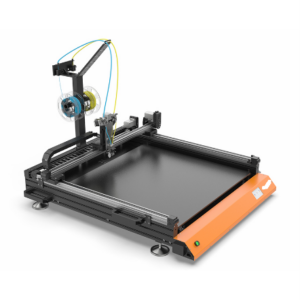
Introduction to 3D printing and filament materials
Ready to dive into the innovative world of 3D printing? Buckle up because we’re about to explore a game-changer in the industry: flexible 3D printer filament. With its endless possibilities and unique properties, this cutting-edge material is revolutionizing how we create and design. Whether you’re an artist, engineer, or a DIY enthusiast, get ready to unleash your creativity like never before. So, let’s roll up our sleeves and delve into the fascinating world of flexible 3D printer filament!
What is Flexible 3D Printer Filament?
Flexible 3D printer filament is a revolutionary material that has taken the world of 3D printing by storm. Unlike traditional rigid filaments, such as PLA or ABS, the flexible filament is made from a specially formulated rubber-like material that allows it to bend and stretch without breaking.
One key characteristic of flexible filament is its ability to produce objects with varying degrees of flexibility. This means you can create anything from soft, rubbery prototypes to durable parts with just one type of filament.
Furthermore, flexible filament offers a wide range of applications across various industries. For instance, it can be used in healthcare to create custom-made orthopaedic braces or prosthetics that provide better comfort and support for patients. In automotive manufacturing, flexible filament can produce gaskets or seals with superior elasticity. Even in fashion design, this versatile material opens up endless possibilities for creating unique clothing items and accessories.
In addition to its versatility, using flexible 3D printer filament also has practical benefits. It offers excellent layer adhesion during printing, ensuring high-quality finished products with minimal risk of delamination. Its elastic properties make it shock-absorbent and impact-resistant – perfect for functional parts that need durability.
The introduction of flexible 3D printer filament has expanded the horizons of what can be achieved through additive manufacturing technology. Its ability to create objects with varying levels of flexibility combined with its practical advantages makes it a game-changer in numerous industries. Whether you’re an engineer looking for functional prototypes or an artist pushing the boundaries of design, exploring the potential offered by this innovative material is sure to bring exciting new possibilities!
Benefits of Using Flexible 3D Printer Filament
The use of flexible 3D printer filament has revolutionized the world of 3D printing by offering endless possibilities and versatility. From creating functional prototypes to producing intricate designs, this game-changing material opens up new doors for designers, engineers, and hobbyists alike.
One key benefit of using flexible 3D printer filament is its ability to create objects with soft or rubber-like properties. This allows for the production of comfortable wearables, ergonomic grips, and shock-absorbing components. Whether designing a custom phone case that fits perfectly in your hand or developing a prosthetic limb that mimics natural movement, flexible filament provides the flexibility necessary for these applications.
Another advantage is its compatibility with various 3D printers and extruders. Flexible filaments are designed to work well with direct-drive extruders found in most consumer-grade machines, and Bowden-style extruders are commonly used in high-end setups. This means that regardless of your equipment setup, you can still take advantage of all the benefits of flexible 3D printer filament.
Additionally, flexible filaments come in a wide range of colours and textures, allowing for even more creative freedom in design choices. Printing objects with different levels of flexibility also adds another dimension to your creations.
Furthermore, unlike traditional rigid filaments like ABS or PLA, which may crack or break under stress or impact, flexible 3D printer filament offers excellent durability and resilience. It can withstand bending without snapping or quickly losing shape. This makes it ideal for producing parts such as hinges or gaskets that require repeated flexing without compromising performance.
But certainly not least important is cost-effectiveness. Compared to other materials commonly used in specialized industries like automotive or aerospace manufacturing, where prototyping costs may be high due to tooling expenses – using flexible 3D printer filament significantly reduces overheads while still providing the ability to iterate and refine designs quickly.
Machines, Consumables and Parts Available from https://buythis.co.za/
For more info on Advanced Machinery visit https://am.co.za/
Subscribe to AM.CO.ZA’s YouTube Channel: https://www.youtube.com/@AchievementMatters?sub_confirmation=1
Chat with us by sending “hi” on WhatsApp to 060 600 6000.