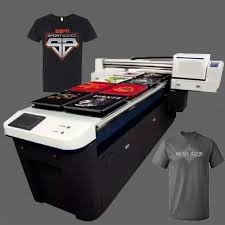
Dtg T Shirt Printing is all about taking your designs and turning them into a tangible product. Whether you’re printing onshirts or jackets, there are a few essential steps that need to be taken in order to ensure a quality print job. In this article, we will outline the best print processes for different types of products and help you choose the right one for your project. We will also provide tips on how to optimize your printing process for the best results. So whether you’re printing onshirts or jackets, read on to learn more about the best ways to get the job done!
What are the Different Types of Print Process?
There are three main types of print processes: digital printing, offset printing, and screen printing. Each has its own advantages and disadvantages, so it’s important to choose the right one for your project.
Digital Printing
Digital printing is the most common type of print process. It uses a computer to create a copy of your image on a sheet of paper. This process is great for small runs of prints or quick turnaround times. However, digital print jobs can be expensive due to the amount of time it takes to produce them.
Offset Printing
Offset printing is a more traditional type of print process. Images are printed on large sheets of paper by pressing them against an inked plate that sits above a press bed. This method is slower than digital printing but offers greater detail and larger prints. Because offset printing is so labor-intensive, it’s usually used for high-quality prints that need to last longer than with digital printing.
Screen Printing
Screenprinting is unique because the image is printed directly onto the fabric surface using inkjet technology. This process offers high quality prints at low prices because there’s no need for large sheets of printed paper. However, screenprinting tends to be less durable than other print processes and can be difficult to perfect.
The Different Types of T-Shirts
There are a variety of T-shirt printing processes available, each with its own advantages and disadvantages. Here’s a breakdown of the different types of T-shirts and their respective print processes:
Screen Printing: Screen printing is the most common type of T-shirt printing process, and it’s also the cheapest. The garments are printed one at a time on a large screen using heat and pressure to create bold, colourful designs. It’s suitable for medium to high-quality prints, but it can be more difficult to achieve accurate colours and detail than other print processes.
Corduroy Printing: Corduroy printing is similar to screen printing in that it uses heat and pressure to create images on a fabric surface. However, corduroy prints are created by pressing small cords against the fabric substrate several times, which results in a textured finish with a slightly weathered appearance. This print process is best suited for prints with low quality demands or those that need extra durability; it’s not as accurate as other print methods.
Embroidery: Embroidery is another popular type of T-shirt printing process that uses thread to create intricate designs on cloth substrates. Unlike screen printing and corduroy printing, embroidery doesn’t use heat or pressure; instead, the threads are pulled through tiny holes in the fabric one at a time. This method is best suited for delicate or high-value prints because embroidery takes more time and effort
The Different Types of Print Materials
There are a few different types of print materials that can be produced with digital printing. Each has its own set of benefits and drawbacks, so it’s important to choose the right print process for the job.
Here are different types of print materials and their corresponding print processes:
- Brochures/Flyers:
- Offset Printing: This is the most common and cost-effective printing method for high-volume production. It uses ink and printing plates to transfer the image onto the paper.
- Digital Printing: Suitable for shorter print runs or variable data printing, it involves using digital files to directly print the image onto the paper.
- Business Cards:
- Offset Printing: Often used for large quantities, offset printing provides high-quality and consistent results for business card production.
- Letterpress Printing: This traditional method uses a relief printing process to create a debossed or raised effect on the cardstock.
- Magazines/Books:
- Offset Printing: Widely used for magazine and book production, offset printing ensures high-quality images and text with sharp details and vibrant colours.
- Digital Printing: Suitable for on-demand printing or shorter print runs, digital printing allows for quick turnaround times and personalized content.
- Posters:
- Large Format Printing: Utilizing inkjet or digital printers, large format printing produces high-quality posters on various materials like paper, vinyl, or fabric.
- Labels/Stickers:
- Flexography: A popular choice for label and sticker printing, flexography uses flexible relief plates and fast-drying inks to transfer images onto different materials.
- Digital Printing: Ideal for smaller label runs or variable data printing, digital printing provides flexibility and quick production times.
- Packaging:
- Gravure Printing: Often used for packaging materials, gravure printing employs engraved cylinders to transfer ink onto substrates, resulting in precise and consistent prints.
- Offset Printing: Suitable for folding cartons and corrugated boxes, offset printing delivers high-quality graphics and text on various packaging materials.
- Newspapers:
- Web Offset Printing: Designed for high-speed and high-volume newspaper production, web offset printing uses large rolls of paper and fast-drying inks.
- Promotional Materials (e.g., T-shirts, mugs):
- Screen Printing: Commonly used for printing on various promotional items, screen printing involves pushing ink through a mesh screen onto the material.
The Different Types of Fabric Options
There are a variety of different types of fabric options when it comes to printing t-shirts. You can choose between a heat press or a laser printer, and you can also decide on the type of garment you want to print on.
A heat press is the traditional way to print shirts. It’s a fast and affordable process, but it doesn’t produce the best results because it doesn’t heat up the fabric enough. Laser printers are better for prints that need to be very smooth, because they use heat to activate the inkjet cartridges and create a high-quality print.
There are also thermal transfer printers, which use an extremely hot plate to melt the fabric and then print directly on it. This is an expensive option, but it produces the most accurate prints because there’s no need for an image to be transferred onto the shirt first.
The Different Types of Printing Equipment
There are a few different types of printing equipment that can be used to print t-shirts. The most common type of printing equipment is a press, which is used to print large quantities of text or images quickly. There are also thermal printers, which use heat to print images on fabric. They are less common, but offer a faster and more affordable way to print t-shirts.
Choosing the right printing process for your t-shirt is important. The three main types of printing processes are digital printing, offset printing, and silk screening. Each has its own benefits and limitations, so it’s important to choose the right one for your project.
Digital Printing: Digital printing is the most common type of printing process used on t-shirts. It’s quick and affordable, and produces high-quality prints that look professional.
One downside of digital prints is that they don’t look as good on dark fabrics like black or navy blue T-shirts. They also tend to bleed colour around the edges, so it’s important to test prints before you make your final product.
Offset Printing: Offset printing is less common than digital or thermal printing, but it offers some advantages over those two methods. For one, offset prints look better on light colours like pink or yellow T-shirts because they don’t fade as quickly as darker colours do in direct sunlight. Secondly, offset prints are more durable than digital prints because they’re made with thicker
How to Choose the Right Printing Process for Your Project
When printing a T-shirt, there are a few things to consider. The type of shirt, the size of shirt, and the print quality are all important factors.
Type of Shirt
The first thing to decide is the type of T-shirt you’re printing. There are two types of T-shirts: athletic and casual. Athletic T-shirts are designed for use in sports, such as football or basketball, and they’re usually made out of heavier materials, such as cotton or polyester. Casual T-shirts are worn more often at leisure activities like going to the movies or shopping. They’re generally made from lighter materials, such as cotton or rayon, and they don’t have as strong a construction so they can be more comfortable to wear.
Size of Shirt
The next thing you need to decide is the size of the shirt you’re printing. Most printers have a variety of sizes available for printmaking. You’ll want to choose the size that’s closest to what you’re going to be using your shirt for. For example, if you’re printing an athletic T-shirt for use in sports, you’ll want to choose a larger size so it will fit properly. If you’re printing a casual T-shirt for leisure activities, you’ll want to choose a smaller size so it won’t look too formal or restrictive.
Print quality refers to the overall visual and tactile characteristics of a printed material, including the clarity, sharpness, colour accuracy, detail, and overall aesthetic appeal. It is a measure of how well the printed output matches the intended design or image.
Conclusion
If you’re looking to get your brand’s message out there in a big way, printing t-shirts is the way to go. But before you can start printing shirts, you need to know the best print processes for getting the results you want. In this article, we’ll outline four of the most popular print processes and help you choose which one is best for your brand. So whether your goal is to create a mass market product or just give customers an exclusive piece of clothing, our guide will help make the process easier for you. Thanks for reading!