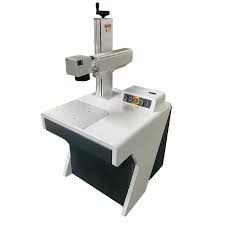
Desktop laser cutting machines are the most popular type of CNC milling machine on the market. They offer a wide variety of benefits, such as high throughput and accuracy, making them perfect for a variety of manufacturing tasks. This guide will cover everything you need to know about desktop laser cutting machines, from their features to how to use them most effectively. By the end, you will be able to choose the best model for your needs and start enjoying all the benefits they have to offer.
What is a Desktop Laser Cutting Machine?
Desktop laser cutting machines can cut intricate designs and shapes out of materials like wood, paper, and plastic with great accuracy and speed. They are versatile tools that can be used for a variety of projects from simple Scrapbooking to more complex furniture making and even 3D printing.
When choosing a desktop laser cutter, there are a few things you’ll want to consider. First, what type of material will be being cut? Desktop laser cutters work best with hard materials such as wood or metal, but they can also be used on softer materials like paper or plastic. Second, how large of an area will the design require to be cut? Larger designs take more time to cut through with a desktop laser cutter than smaller ones do, so it’s important to decide in advance if the extra time is worth the final product. Finally, what kind of finishing options will you need? Most desktop laser cutters come with basic engraving capabilities as well as other finishing options like heat treatment or coating.
Types of Desktop Laser Cutting Machines
There are a few different types of desktop laser cutting machines on the market today. Here is a overview of each type:
Metal Cutting Machines: Metal cutting machines use a CO2 laser to cut metal sheets with precision. They are great for creating intricate details and can be used for projects like frame repairs or creating custom parts.
Wooden Cutting Machines: Wooden cutting machines use a high-powered CO2 laser to cut through wood quickly and easily. They are popular for millwork and other general woodworking tasks, such as constructing shelves or furniture.
Laser Engraving Machines: Laser engraving machines use lasers to etch detailed designs into materials like wood, plastic, or stone. They can be used on small items or large projects, and are perfect for adding personalization or unique details to objects.
How to choose the right Desktop Laser Cutting Machine
When it comes to desktop laser cutting machines, there are a variety of features and specs that you need to take into account. Here are some tips on how to choose the right machine for your needs:
– Budget: The first and most important factor to consider is your budget. Do you want a bare-bones machine that will do basic tasks or do you want something more advanced with all the bells and whistles?
– Processing Speed: Another key factor to consider is processing speed. How many objects can be processed at once? How quickly can the machine move around the object being cut? These factors will impact price and capability.
– Cutting Area Size: Desktop laser cutters come in a variety of sizes, from tiny machines that can handle very small parts up to large machines that can handle larger parts. You’ll want to decide what size area you’re most likely to need cutting in before determining your budget and processing speed.
– Detail Level: Finally, one of the main factors you’ll want to consider when choosing a desktop laser cutter is detail level. Do you need high precision or do you just need something that will get the job done?
Which materials can be cut with a Desktop Laser Cutting Machine?
If you are in the market for a desktop laser cutting machine, you will likely come across a few different types of materials to cut. This guide will introduce you to some of the most common materials that can be cut with a desktop laser cutter, and give you tips on how to choose the right one for your project.
The first type of material that can typically be cut with a desktop laser cutter is cardboard. To do this, you will need to pre-cut your cardboard into small pieces that are the correct size for your machine. Once your cardboard is cut, place it onto the table of your machine and press down firmly so that the laser Cutting Machine can properly slice through it.
One of the other common materials that can be cut using a desktop laser cutter is paper. To cut paper, first determine how large you want your final piece to be. Next, fold the paper in half so that each side is an equal length. Then, unfold the paper and place it onto the work surface of your machine. Make sure that the fold lines on both sides of the paper are facing towards each other, and then press down firmly so that the laser can properly cut through the paper.
In addition to these common materials, there are also a number of other materials that can be easily sliced by a desktop laser cutter. Some examples of these include wood, foam board, plastics, and fabric.
Conclusion
Now that you have a good understanding of what desktop laser cutting machines are and the types of materials they can cut, it is time to find one that is right for your needs. There are many different models on the market, so it is important to do your research and read reviews before making a purchase. Once you have found the perfect machine for you, be sure to take some time to learn how to use it properly; this will help you save time and increase productivity. Thanks for taking the time to read our article on desktop laser cutting machines- we hope you found it helpful!
Related Posts

5 Reasons To Consider Fiber Laser Cleaning For Your Business
7 July 2023In the world of business, there are always new and innovative ways to save time and money. And when it…
The Top 5 Best 100w Fiber Laser Cutting Machines On The Market
14 May 2023When you’re shopping for a new 100w fiber laser cutter, it can be difficult to know where to start. There…