Desktop CNC Machines: What You Need To Know
Desktop CNC Machines are quickly becoming a common sight in businesses and homes around the world. In this article, we will take a look at some of the basics of desktop CNC machines and what you need to know if you want to get your hands on one. From 3D printing to metalworking, desktop CNC machines can help you tackle a wide variety of tasks. So if you’re interested in getting started with this powerful technology, read on for all the details you need to get started.
What is a Desktop CNC Machine?
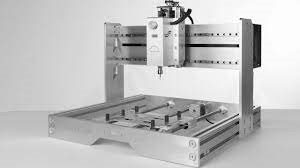
A desktop CNC machine is a powerful tool that can be used to create intricate 3D objects, patterns, and products. They are often used by hobbyists, crafters, and engineers to create custom parts or products.
Desktop CNC machines come in a variety of prices and types, from simple manual models to more advanced automation systems. Regardless of price or type, all desktop CNC machines share some common features. These include a print bed with movable axes that can print different shapes in multiple colours using high-quality materials like ABS plastic or HIPS plastic.
A desktop CNC machine typically uses a computer as its controller and controls the movements of the print bed using an R/C control system. This means that you can use software applications on your computer to control the machine’s movements and produce your desired outcome.
Desktop CNC machines have many advantages over traditional hand tools when it comes to precision and accuracy. They can easily produce intricate details and patterns that would be difficult or impossible to achieve with hand tools. In addition, desktop CNC machines are very portable and easy to set up, making them perfect for use in small spaces or on a limited budget.
How Does a Desktop CNC Machine Work?
A desktop CNC machine is a great way for hobbyists and small businesses to produce high-quality products on-demand. The machine uses a computer to control the movements of a tool or cutter, allowing users to create objects from scratch.
Desktop CNC machines come in two main types: X-Y machines and Cartesian machines. X-Y machines use a motor/rotor system that moves the workpiece along a horizontal x-axis and an extruder that moves it along a vertical y-axis. These machines are great for making things like parts, cages, ornaments, and toys. Cartesian machines use two axes of movement: x and y. The x axis moves the tool across the workpiece, while the y axis cuts or drills into it. This type of machine is best for making things like furniture, car parts, or jewelry.
Desktop CNC machines come with all sorts of features and options. Some include laser cutting capabilities, water cooling systems, multiple spindle speeds (to accommodate different materials), and even 3D printing capabilities. To get started with desktop CNC machines, be sure to check out some of the resources available online (like this guide from MakerBot).
Different Types of CNC Machines
Desktop CNC Machines: What You Need To Know
There are a variety of desktop CNC machines on the market, but what are they and what do they do? Desktop CNC machines are small, lightweight machines that can be controlled using computer software. They can be used to create small parts or products, often using a high-resolution controller.
There are three main types of desktop CNC machines: 3D printers, laser engravers, and machinists’ tools.
3D printers use a high-resolution print head to print objects layer by layer. They’re popular for creating objects from plastic or metal filaments. Laser engravers use lasers to cut pieces out of metal or other materials. Machinist’s tools include miter saws, drill presses, lathes, and more.
Desktop CNC machines come in different price ranges and capabilities. Some models can produce very high-quality prints while others are designed for basic machining tasks. It’s important to choose the right machine for your needs before you buy it so you get the most out of your investment.
Advantages and Disadvantages of Desktop CNC Machines
Benefits of Desktop CNC Machines
There are many advantages to owning a desktop CNC machine. First and foremost, they are incredibly accurate and can produce high-quality parts quickly and easily. Secondly, desktop machines typically don’t require a lot of space or equipment to operate. Finally, they’re affordable options, making them a great investment for businesses or home builders who need custom parts quickly.
However, desktop CNC machines have their disadvantages as well. Firstly, they can be difficult to learn how to use, so you may need some instruction from a qualified technician before getting started. Additionally, because these machines are so precise, mistakes can be costly if not impossible to fix – so care must be taken when designing your part. And lastly, because desktop CNC machines work with large pieces of metal or other materials, they can be difficult to move around – particularly if you have limited space.
Conclusion
Desktop CNC machines are definitely growing in popularity, and with good reason. They offer tremendous potential for a wide variety of applications and can be used in a variety of industries. If you’re interested in getting started with desktop CNC machines, here are some things to keep in mind.
Related Posts

CNC Machines In South Africa: Revolutionising Manufacturing And Boosting Productivity
12 July 2024Welcome to a world where precision meets efficiency, where innovation merges seamlessly with productivity.
The 5 Best CNC Grinding Machines Available In The Market
5 June 2023We will take a look at the five best Cnc grinding machines available in the market. From small shops and…