Step into the extraordinary world of 3D printing, where imagination becomes reality! In this captivating blog post, we will delve deep into the secrets behind one of the most essential components of this groundbreaking technology: 3D Printer Filaments. Whether you’re a seasoned enthusiast or just starting to explore the endless possibilities of 3D printing, join us on an exciting journey as we unravel everything you need to know about this remarkable material. So fasten your seatbelts and get ready to dive headfirst into a world where innovation knows no bounds!
What is 3D Filament, and How Does it Work?
At its core, 3D Filament is the lifeblood of any 3D printing adventure. It serves as the raw material that feeds into your printer, allowing you to bring your digital designs to life layer by layer. But what exactly is this mysterious substance?
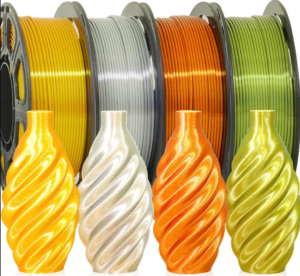
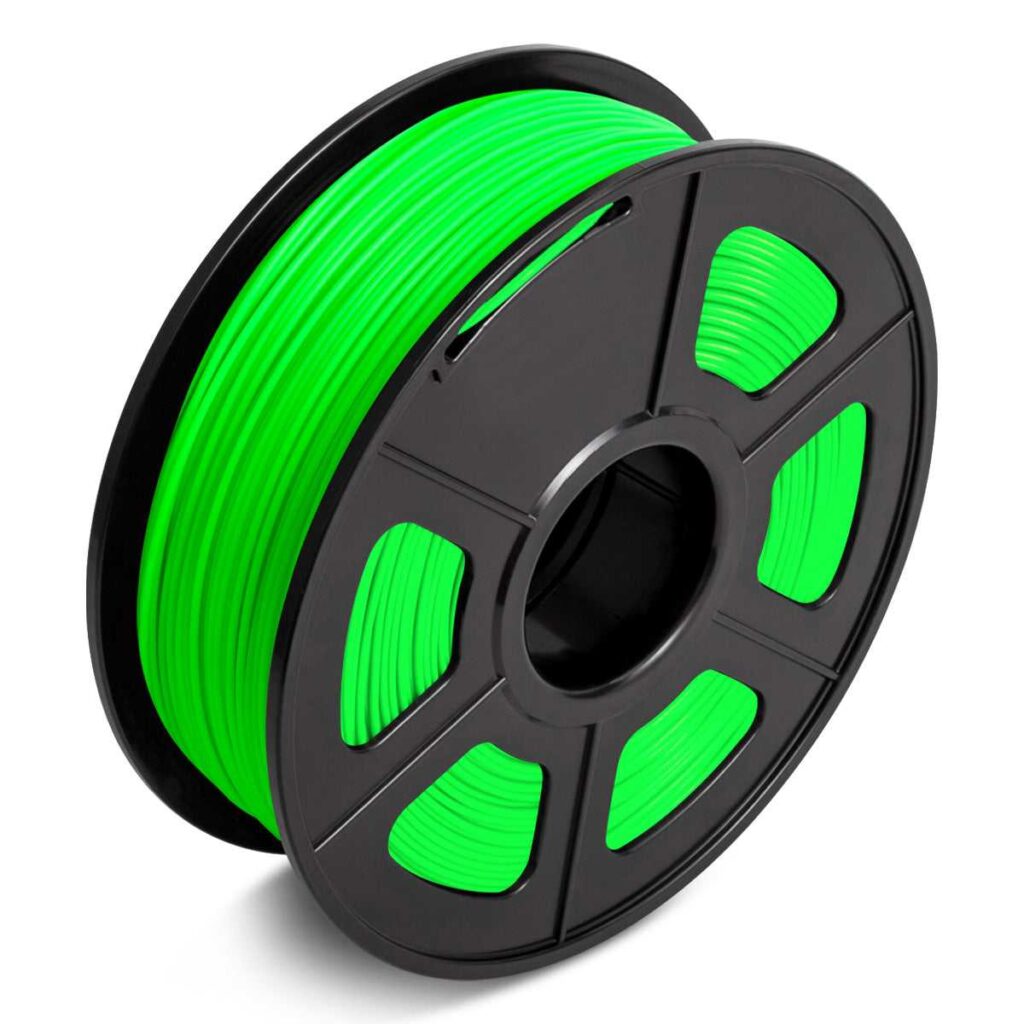
In simple terms, 3D Filament is a long, thin strand made from various materials such as plastic or metal. It comes in spools of different colours and thicknesses, allowing you to unleash your creativity with every print.
So how does it work? The magic begins once you’ve loaded your chosen Filament into your printer’s extruder system! The extruder heats the Filament until it reaches its melting point. As it liquefies under heat, it gradually gets pushed through a tiny nozzle onto the build platform.
Layer upon layer, these molten strands cool down and solidify almost instantly to form intricate shapes and structures based on your design specifications. This incredible process continues until every detail of your object has been meticulously crafted.
Now that we have scratched the surface of understanding what 3D Filament is and how it works let’s explore its various types and properties, which can further elevate your printing experience! So keep reading to uncover more about this fascinating world of possibilities!
The Different Types of 3D Filament
The world of 3D printing is vast and ever-evolving, with new materials constantly being developed to enhance the capabilities of this groundbreaking technology. One such essential material is Filament. Filament is the substance that feeds into a 3D printer, melting and extruding layer by layer to create intricate three-dimensional objects.
Several different types of Filament are available today for your 3D printer. One popular option is PLA (Polylactic Acid), derived from renewable resources such as cornstarch or sugarcane. PLA filament offers excellent print quality and vibrant colors, making it ideal for creating aesthetically pleasing prototypes or decorative items.
Another common type of filter is ABS (acrylonitrile butadiene styrene). ABS filament boasts high strength and durability, making it well-suited for functional parts or mechanically demanding applications. It also has good heat resistance but can emit fumes during printing, so proper ventilation is essential when using ABS.
TPU (Thermoplastic Polyurethane) filaments are popular for those seeking more flexibility in their prints. TPU filament combines elasticity with toughness, creating flexible and durable objects like phone cases or shoe soles.
Nylon filaments offer great versatility and durability while maintaining low friction properties. They are commonly used in industrial applications where strength and precision are paramount.
In addition to these central filaments, specialty options are also available. PETG (Polyethylene Terephthalate Glycol) offers a balance between ease of use and strength; it also has good chemical resistance.
Understanding the different types of 3D filaments available allows you to select the one that best suits your specific project requirements – whether you need something solid and rigid or flexible yet robust.
Factors to Consider When Choosing 3D Filament
Choosing the suitable 3D Filament is crucial for achieving optimal results in your printing projects. Here are some factors to consider when selecting the perfect Filament:
1. Material Compatibility: Different filaments are compatible with different types of printers, so it’s essential to check if the Filament you choose suits your specific printer model.
2. Print Quality: Consider the detail and precision required for your project. Some filaments offer better print quality than others, so choose one that meets your expectations.
3. Strength and Durability: Strength and durability become significant factors in creating functional parts or prototypes. Certain materials, like ABS or PETG, offer better mechanical properties than PLA.
4. Temperature Resistance: Depending on the application, temperature resistance may be necessary. For example, if you plan on printing objects exposed to high temperatures or requiring post-print processing methods such as annealing, materials like nylon or polycarbonate might be more suitable.
5. Flexibility or Rigidity: A filament’s flexibility can determine its suitability for specific applications, such as creating flexible toys or wearable items like phone cases or bracelets. On the other hand, rigid filaments may work better for structural components.
6. Environmental Impact: If sustainability concerns you, eco-friendly options can PLA f, and filaments from renewable resources like cornstarch or sugarcane are available.
7.Cost-Effectiveness: Last, cost-effectiveness should be considered when choosing a 3D Filament material. You need to ensure that the selected material does justice to budget allocation without compromising on quality.
By considering these factors and understanding their importance to your specific needs and goals, you can make an informed decision when selecting the most appropriate 3D Filament for your projects!
Now that we’ve explored the world of 3D Filament, it’s an essential printing material.
Machines, Consumables and Parts Available from https://buythis.co.za/
For more info on Advanced Machinery visit https://am.co.za/
Subscribe to AM.CO.ZA’s YouTube Channel: https://www.youtube.com/@AchievementMatters?sub_confirmation=1
Chat with us by sending “hi” on WhatsApp to 060 600 6000.