Introduction to 3D Printing and Filament
Welcome to the fascinating world of 3D printing, where imagination comes to life! In this comprehensive guide, we will embark on a journey to explore the intricate universe of 3D printer filament. Whether you are a seasoned pro or just starting out in the realm of additive manufacturing, understanding different types of filaments and how to choose the right one for your project is essential.
Imagine being able to transform digital designs into tangible objects with just a click of a button. With 3D printing technology rapidly advancing, it has become more accessible than ever before. But what exactly is the secret ingredient that brings these creations to life? Enter: 3D printer filament – the building blocks behind every print.
From strong and sturdy materials like ABS and PLA, to flexible options such as TPU and PETG, there is no shortage of choices when it comes to selecting your filament. Each type possesses unique characteristics that make it suitable for specific applications. So whether you’re looking to create functional prototypes or artistic masterpieces, read on as we dive deep into the captivating realm of 3D printer filament. Let’s get started!
Types of 3D Printer Filament
When it comes to 3D printers, one of the most important factors to consider is the type of filament you use. Filament refers to the material that is fed into your 3D printer and melted down to create your desired object. There are several types of filaments available in the market today, each with its own unique properties and characteristics.
One common type of filament is PLA (Polylactic Acid). PLA is a biodegradable material made from renewable resources such as corn starch or sugarcane. It’s known for its low melting point, which makes it easy to work with for beginners. PLA also produces less fumes during printing compared to other filaments.
Another popular option is ABS (Acrylonitrile Butadiene Styrene) filament. ABS has a higher melting point than PLA and offers greater strength and durability. It’s commonly used for functional parts or prototypes due to its ability to withstand high temperatures.
For those looking for more exotic options, there are filaments like PETG (Polyethylene Terephthalate Glycol), which combines the best qualities of both PLA and ABS – good strength, flexibility, and temperature resistance.
If you’re interested in creating objects with a metallic finish, metal-infused filaments like bronze or copper can be used. These filaments contain actual metal particles mixed with a base polymer.
Nylon filament is another versatile option that offers excellent toughness, flexibility, and durability. It’s often used for creating functional parts that require high impact resistance or wear resistance.
These are just a few examples of the many types of 3D printer filaments available on the market today. The choice ultimately depends on your specific project requirements – whether you need strength, flexibility, heat resistance or even aesthetics!
So next time you embark on a 3D printing project, take some time to explore different types of filament available. Experimenting with different options can lead to exciting and innovative results!
Choosing the Right Filament for Your Project
With so many options available, it can be overwhelming to choose the right filament for your 3D printing project. But fear not! Armed with the knowledge we’ve provided, you’ll be well-equipped to make an informed decision.
Consider the specific requirements of your project. Are you looking for strength and durability? PLA or ABS filaments might be your best bet. Do you need flexibility and elasticity? TPU or TPE filaments could be the perfect fit. Are you aiming for high heat resistance? Look no further than PETG or Nylon filaments.
Another important factor to consider is cost. Some filaments are more affordable than others, making them ideal for budget-conscious projects. However, keep in mind that cheaper materials may sacrifice quality and performance.
It’s also worth noting that different brands may produce variations in filament quality, so do some research and read reviews before making a purchase.
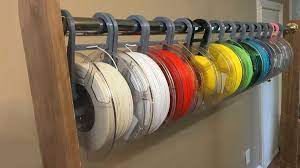
Don’t forget about color options! Filament comes in a wide array of colors and even specialty finishes like metallics or glow-in-the-dark varieties. Let your creativity shine through by choosing a filament that matches your vision!
In conclusion, exploring the world of 3D printer filament opens up endless possibilities for bringing your creations to life. By understanding the different types available and carefully considering factors such as material properties, cost, brand reputation, and color options, you can confidently select the perfect filament for each unique project. So go ahead – experiment, create, and let your imagination soar with 3D printer filament!
Machines, Consumables and Parts Available from https://buythis.co.za/
For more info on Advanced Machinery visit https://am.co.za/
Subscribe to AM.CO.ZA’s YouTube Channel: https://www.youtube.com/@AchievementMatters?sub_confirmation=1
Chat with us by sending “hi” on WhatsApp to 060 600 6000.