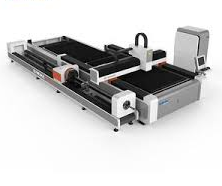
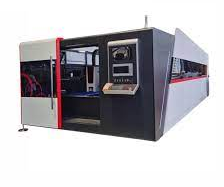
In today’s market, there is a wide variety of products that need to be cut. From materials for manufacturing to furniture, this type of cutting is essential for many different types of businesses. When looking for a cutting solution, it’s important to consider the various types of cutting that are available. In this article, we will take a look at the different types of fiber lasers and their respective advantages and disadvantages. We will also provide a comprehensive guide on how to choose the right 10kw fiber laser cutter for your needs.
What is a fiber laser cutter?
A fiber laser cutter is a machine that can cut very thin sheets of material using lasers. It is similar in operation to a CNC (computer-controlled cutting) router, but the fiber laser cutter does not use a rotary tool. A fiber laser cutter is instead controlled by a computer program that traces out intricate patterns on the material to be cut.
The main advantage of using a fiber laser cutter over other types of lasers is that it can create extremely precise cuts. This is particularly useful for making delicate pieces or shapes, or for cutting materials that are difficult or impossible to cut with other methods.
One downside of fiber laser cutters is that they are relatively expensive compared to other types of lasers. Additionally, they require some knowledge and experience to operate properly.
Types of fiber lasers:
Fiber laser cutting machines are becoming increasingly popular for a variety of reasons. They offer high precision, speed, and cutting accuracy.
There are three main types of fiber lasers: dye-sensitized, semiconductor, and solid-state.
Dye-sensitized lasers use a photosensitive substance to generate a laser beam. These lasers are the most common type, and they can produce the most accurate cuts because they don’t require any external light source.
Semiconductor lasers use a semiconductor chip to control the laser beam. This makes them faster and more accurate than dye-sensitized lasers, but they also tend to be less expensive.
Solid-state lasers use no external components other than the laser diode itself. They’re the fastest type of fiber laser and often have the highest accuracy, but they’re also the least affordable.
Advantages of using a fiber laser cutter
When it comes to cutting materials, a fiber laser cutter is undoubtedly one of the most versatile tools out there. Here are some of its advantages:
-Very precise cuts: Fiber lasers are able to produce incredibly accurate cuts thanks to their high beam quality. This makes them perfect for tasks like fabricating intricate 3D designs or making precise cuts in hard materials.
-High speed and throughput: Fiber lasers can cut at speeds up to 50,000 pieces per minute, making them ideal for large scale production. Plus, they’re capable of handling even the most challenging materials with ease.
-Low operating costs: Fiber laser cutters typically require much less power than other types of cutting machines, which means your investment will be repaid quickly in terms of energy savings. Plus, they’re generally very safe to operate – so you can rest assured that your work area will remain free from danger throughout the process.
What types of materials can be cut with a fiber laser cutter?
A fiber laser cutter is a versatile machine that can be used to cut various materials. The types of materials that can be cut with a fiber laser cutter depend on the type of fiber laser cutter being used.
The most common type of fiber laser cutter is the CO2 powered machining system, which can be used to cut a variety of materials including plastics, composites, and metals. Other types of fiber lasers include diode lasers, Gunn diodes, and YAG lasers. Each type has its own advantages and disadvantages, so it’s important to choose the right one for the specific job at hand.
Some tips when using a fiber laser cutter include making sure the material is properly supported so it doesn’t bend or warp during cutting, using a dust mask if necessary to avoid inhaling any particles created by the machine, and maintaining adequate cooling levels to prevent the blade from overheating.
How to set up the fiber laser cutter
If you want to get started with fiber laser cutting, there are a few things you will need before getting started. First and foremost, you will need a fiber laser cutter. There are many different types of fiber laser cutters on the market, so it can be difficult to decide which one is best for you. Some of the most popular fiber lasers include the KW G5 and the Zephyr S4. Both of these machines are very reliable and can handle a lot of different materials.
Once you have your machine, the next thing you need is an appropriate cutting material. This will depend on the type of project you are trying to create. Some common materials that can be cut with a fiber laser include paper, plastic, card stock, cloth, and wood. You will also need some tools to help you with your project, such as a dust mask and eye protection.
To begin using your machine, first calibrate it by loading some test material into the feeder port and turning on the power supply. Once calibration is complete,load your desired material into the work area and start cutting!
How to use the fiber laser cutter
The fiber laser cutter is a versatile machine that can be used to cut a variety of materials. This guide will teach you how to use the fiber laser cutter and get the most out of it.
Setting up the machine
Before starting any cutting, you first need to set up the machine. There are a few different settings you’ll need to adjust depending on the material you’re cutting.
First, determine the size of your object. The fiber laser cutter has an option to produce cuts with precise dimensions or millimeters. If you’re using inches as your measurement unit, divide your object’s width by its height. For example, if your object is 3 inches wide by 2 inches high, divide those numbers by 4 (3 ÷ 2 = 1). This will determine the number of mm that will be cut per inch (1 mm/in).
2) Choose whether or not you want to use automatic feeder . Automatic feeders help keep your work area tidy and free from accidental cuts. However, if you don’t want this feature, uncheck it before beginning setup. If you do want automatic feeder, make sure that there is enough room on either side of your material for it to move freely in both directions . The automatic feeder should also fit easily within your cutting area without obstructing vision or making contact with other parts of the machine
3) Determine what type of blade you’ll be using . There are three types of blades available
Conclusion
Thank you for reading our guide on the 10kw Fiber Laser Cutting Machine. We hope that this article has been informative and that you have learned a lot about this powerful machine. If you have any questions or comments, please feel free to contact us. In the meantime, we would love to see some photos of your projects using this machine!
Related Posts

The Top 5 Best 4000w Fiber Laser Cutting Machines Available On The Market
21 May 2023If you’re looking for a powerful and versatile cutting machine, you’ll want to check out a fiber laser. These machines…
The Top 5 Portable Fiber Laser Cleaning Machines On The Market
15 August 2023Portable fiber laser cleaning machines are becoming increasingly popular among businesses of all sizes for a variety of reasons. These…